WHEN VIETNAM BECAME THE “FORTRESS” OF THE NEW GLOBAL SUPPLY CHAIN
December 8, 2025
Originally published in Saigon Times in Vietnamese and drawing on a narrative earlier reported by The New York Times, this article explores how tariff uncertainty and geopolitical disruption are reshaping the world’s supply chains — and how Vietnam, anchored by platforms like BW Industrial, has evolved from a fallback option into a strategic alternative to China. We at BW are humbled to be cited as an example of modern Vietnam’s growing role in global value creation.
In November 2025, inside an industrial park on the outskirts of Shanghai, silence blanketed a space that once thundered with machinery. Rows of yellow–blue steel racks stood exposed and empty. A modern robot formerly programmed to assemble sofa frames at lightning speed, now sat motionless, a rusting monument to a bygone era. Simon Lichtenberg, founder of Trayton Group, walked slowly across the vast, cold factory floor “The idea was that it would be full by next year,” he said bitterly. “It’s more empty than ever.” Lichtenberg’s deserted factory is not merely the misfortune of a single business—it reflects the unraveling of a global economic order once considered unshakeable. When U.S. President Donald Trump ignited the first trade war during his initial term, Lichtenberg—like thousands of CEOs—chose to “ride out the storm,” believing the disruption would be temporary. That belief collapsed during Trump’s second term. Now, as new waves of punitive tariffs loom and U.S.–China volatility becomes the “new normal,” global manufacturers are abandoning old assumptions and scrambling for survival. He recounted the story in an interview with The New York Times. For three decades, China leveraged its immense scale and vast labor force to become the “machine that crushed all competitors,” placing the country at the center of the global economy. But that system is now being torn apart from both within and without. Trump’s instinct to break traditional rules has destabilized the very mechanisms that once enabled manufacturers to build the world’s most efficient supply chains.
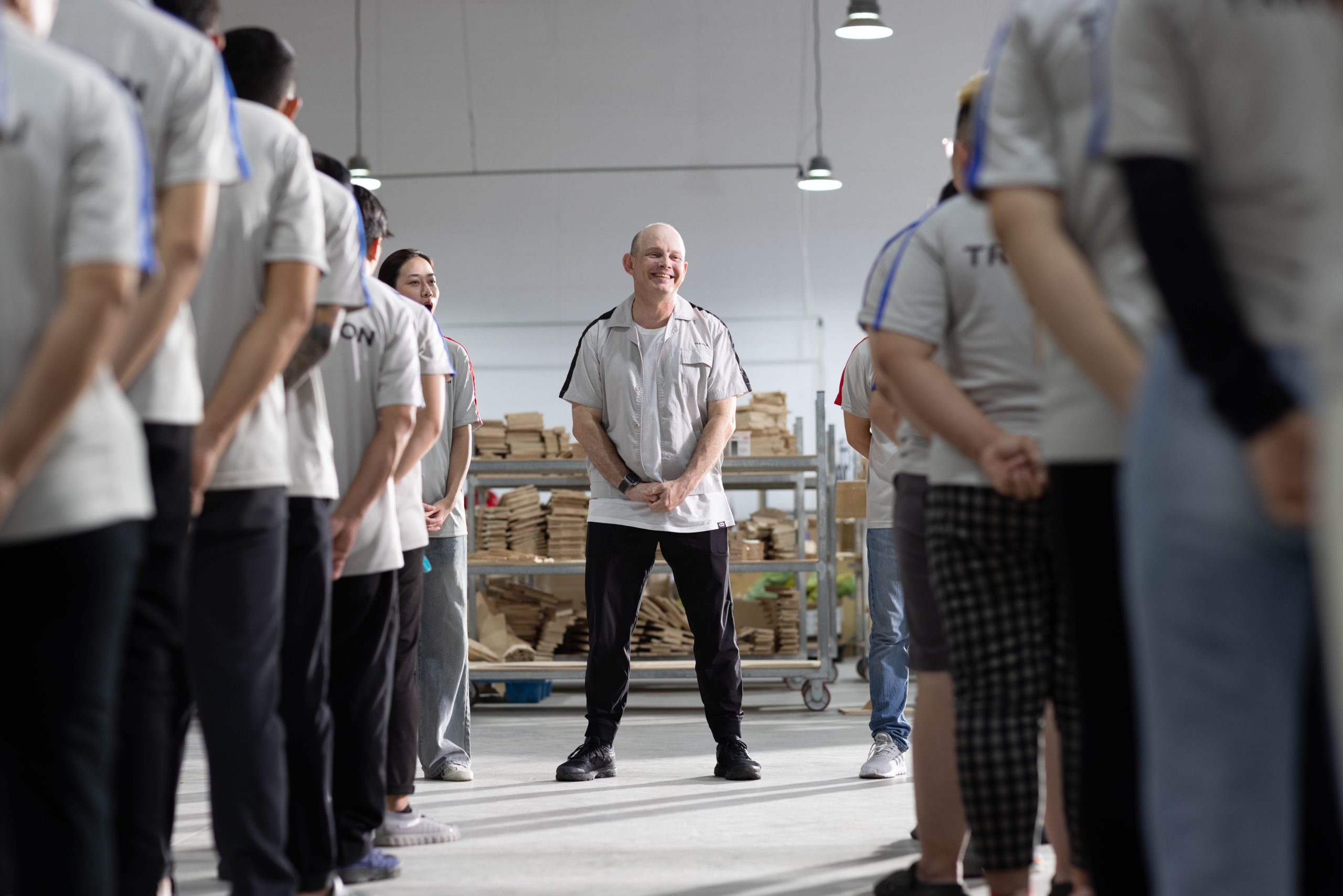
In July 2024, Lichtenberg invested USD 20 million to establish a new factory in Vietnam
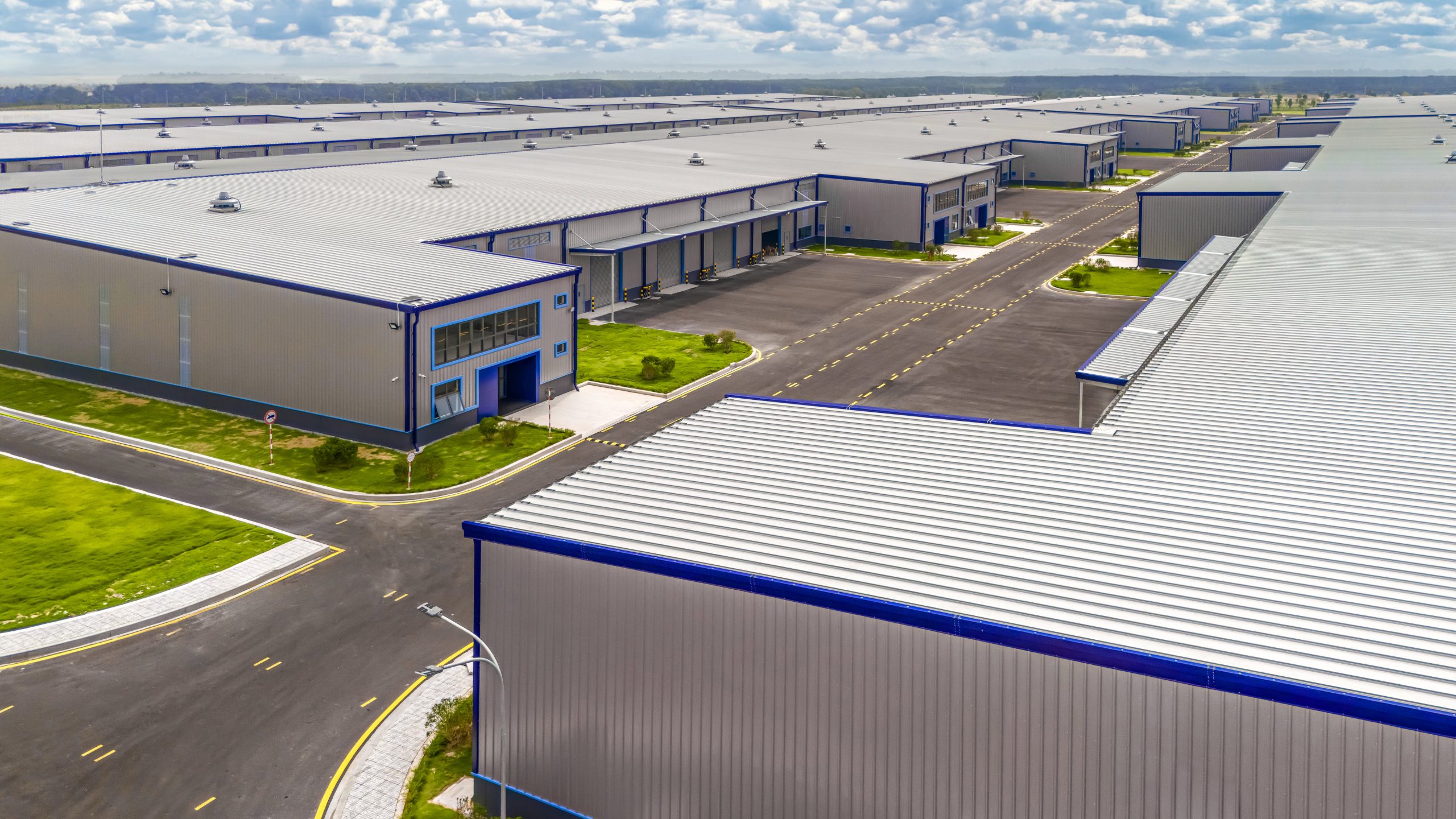
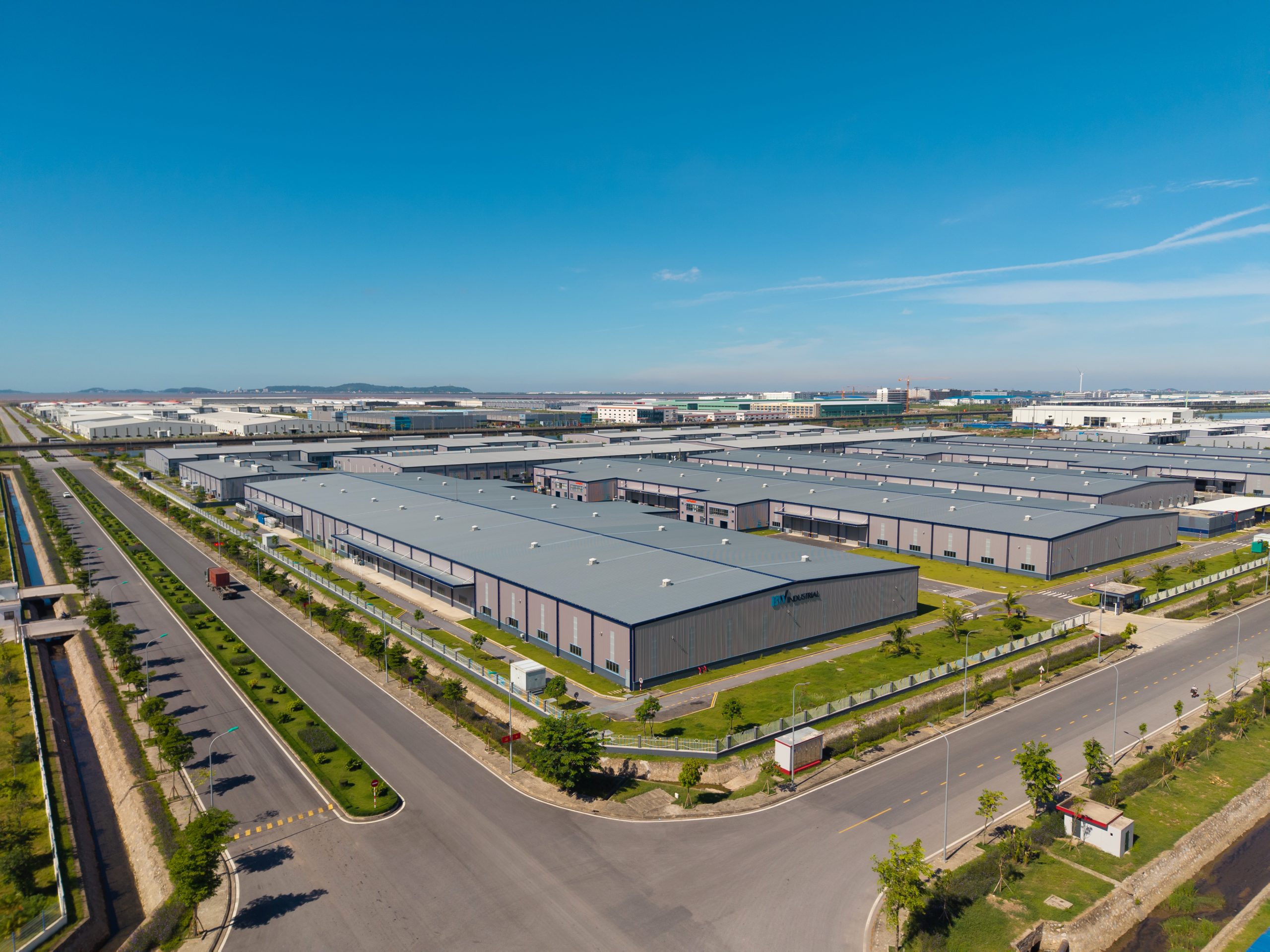
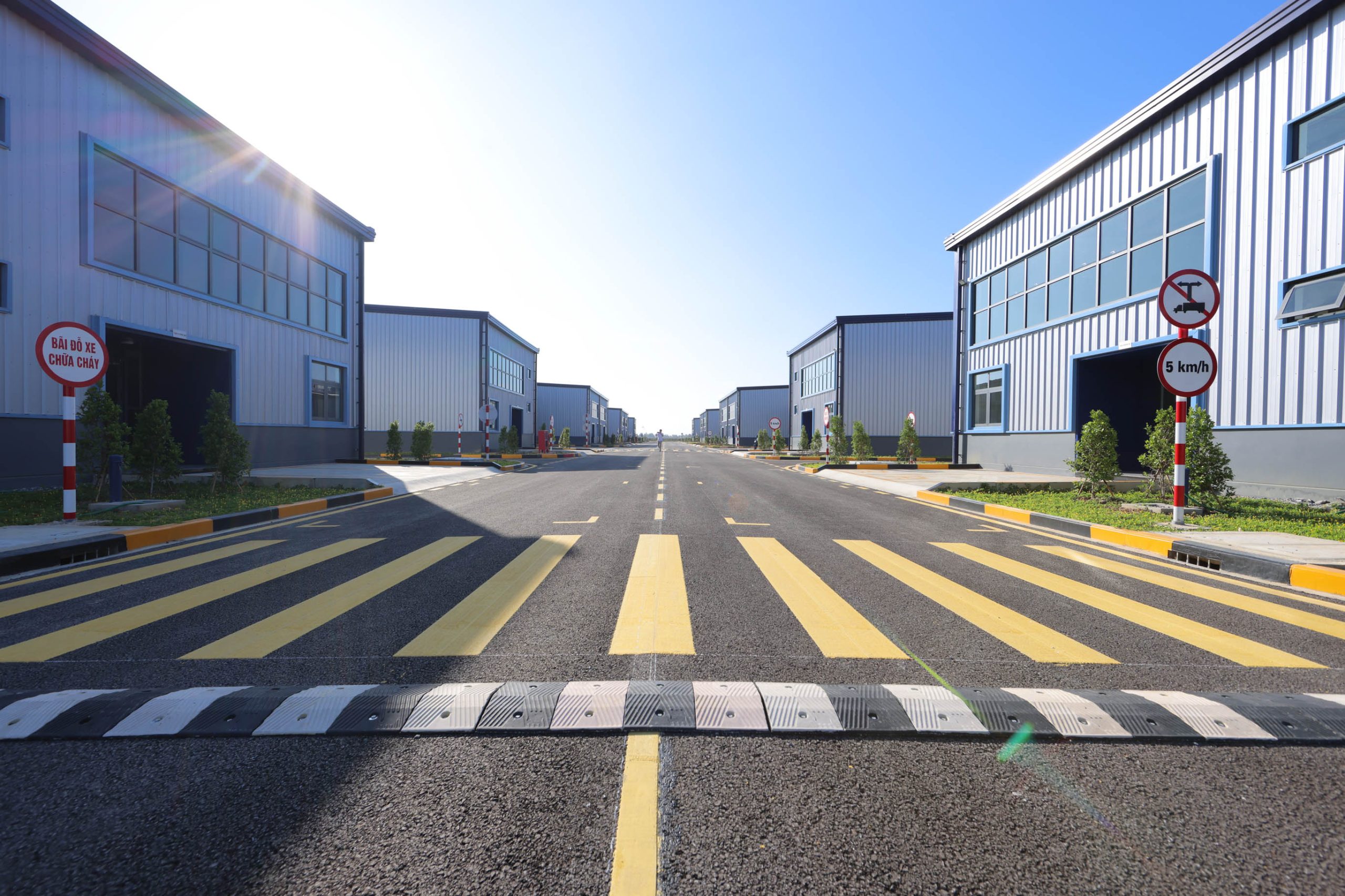
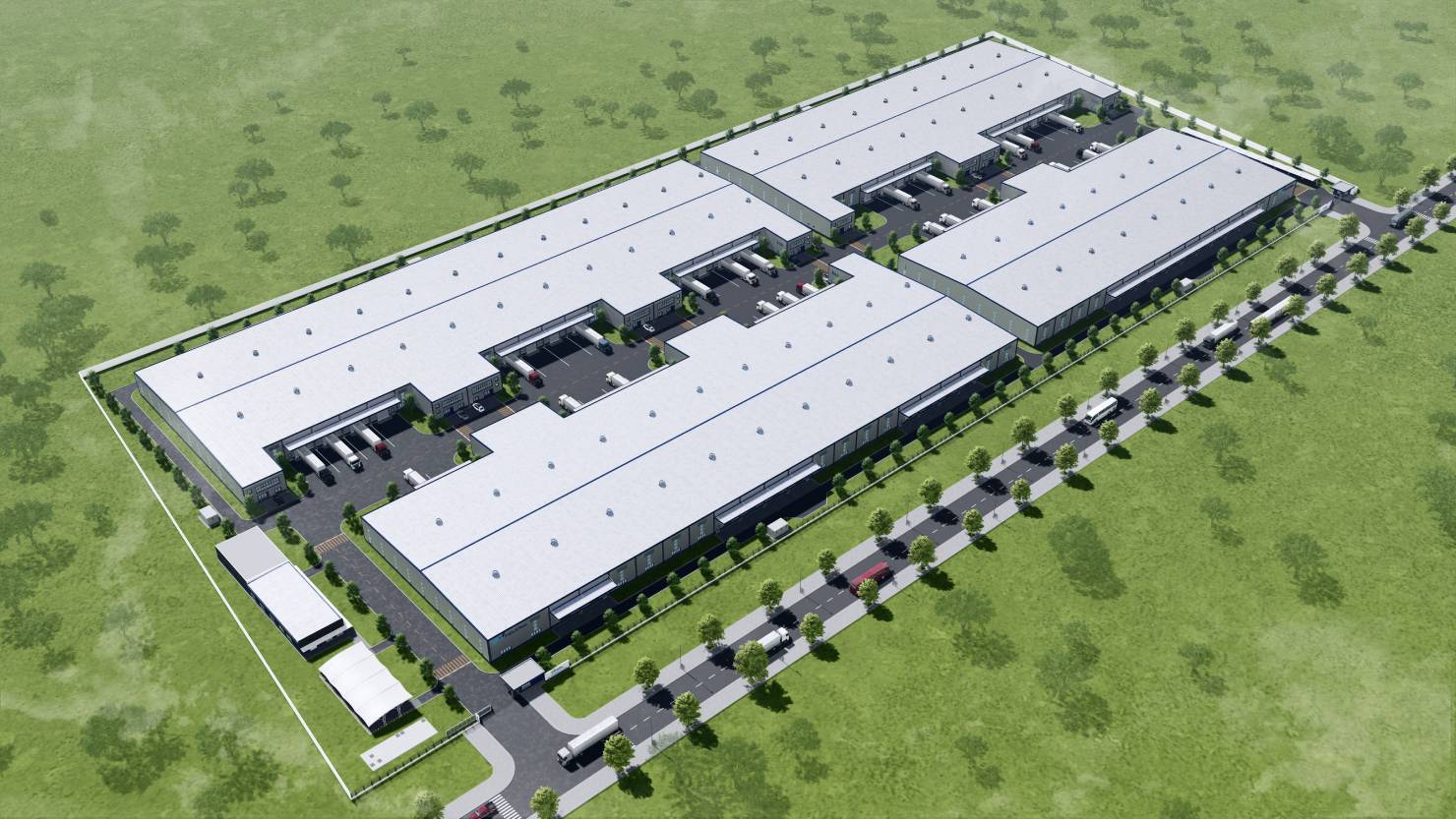
Leaving China is no longer a question of cost-efficiency, where China still retains undeniable advantages of scale. It has become an existential exercise in risk management. As Lichtenberg put it, “It’s like they say: A burned child is scared of fire.” With a trace of bitter humor, he admitted that the trust which once anchored stability between the world’s two largest economies has all but evaporated. Volatility has now reached a point where even diplomatic “ceasefires” or symbolic handshakes offer little reassurance to global CEOs. Whether Trump temporarily rolls back tariffs or pauses certain measures, the fear of being caught on the wrong side of geopolitical turbulence persists. No executive is willing to bet their company’s future on a market where a single late-night social media post from the U.S. President can push tariffs from 20% to 100% overnight. Gabriele Natale, CEO of Man Wah USA—supplier to Walmart and Costco, in an interview with The New York Times, captured the reality with chilling clarity: “In his second term, Trump is hitting everything, everywhere. You can run, but you can’t hide.” And when hiding is no longer an option, the only choice left is to move. In this sweeping “industrial migration,” Vietnam is no longer a stopgap or a weak fallback option. It has become an economic imperative. Global giants like Nike, Apple, and Intel are not coming to Vietnam to stitch garments or assemble low-value products—they are relocating core, strategic manufacturing capacity. The reversal is striking. China has already ceded its title as America’s “sneaker capital” to Vietnam. And according to the U.S. Census Bureau, even high-tech products such as smartphones and laptops are increasingly entering the U.S. market from Vietnam and India. Yet this is no longer a race to the bottom on low-cost labor. Vietnam is undergoing a difficult but transformative evolution from a labor-intensive export economy into a high-value-added manufacturing hub. This shift demands more than open policies; it requires modern industrial infrastructure capable of accommodating the world’s most demanding manufacturers. Once companies decide to leave China, they confront a new enemy: time. Building a factory from the ground up in a new country can take years—time they simply no longer have when tariffs or sanctions can materialize overnight. This has become the central bottleneck of today’s global FDI relocation wave. In Vietnam, ready-built factories (RBFs) have emerged as the solution, offering the speed-to-market that multinational manufacturers urgently need. BW Industrial—one of the leading for-rent logistics and industrial platform, has maintained an occupancy rate above 95%, secured more than 1.4 million square meters of new leasing as of October 2025, and now hosts over 450 tenants from more than 20 countries. BW Bau Bang is one of 59 RBF/RBW projects of BW Industrial across the country Over the past four years, demand for BW’s facilities has surged, with more than 90% of inquiries coming from foreign investors. And these are not small players, they are multinational corporations from the world’s top five FDI economies: Mainland China, the United States, Japan, South Korea, and Singapore—collectively accounting for 85% of BW’s leased area. More importantly, over 70% of BW’s RBF portfolio is now occupied by high–value–added industries. Not low-cost textiles or footwear, but electronics, which alone represent nearly 40% of BW’s tenant mix. The message is clear that Vietnam powered in part by BW’s modern industrial infrastructure is increasingly attracting the “brains” of the global supply chain, not just the “muscle.” From 2018 to July 2024, BW played a key role in attracting nearly USD 760 million in registered investment from its tenants. This is real capital—converted into production lines, skilled jobs, and measurable economic output—not inflated commitments on paper. Lichtenberg’s July 2024 decision to relocate and expand at BW Bau Bang Industrial Park is not just symbolic. He expects that, over time, 50% of Trayton Group’s total production will shift from China to Vietnam. While a part of his factory in Shanghai fall quiet in the dark, Vietnam’s industrial parks—developed by companies like BW—are lit through the night, buzzing with new investment and rising production. Geopolitical risk and U.S. presidential unpredictability may be the “poison” that killed the old era of stability—but they are also the “doping” accelerating the restructuring of the global supply chain. In this century-defining reshuffle, Vietnam has chosen the correct position. And with the support of strategic developers like BW Industrial, the country is transforming from an alternative option into a critical, irreplaceable link in the new supply chain. Global companies have learned a painful truth that when geopolitical winds change, only those rooted in “safe zones” can survive. And today—with its modern, investment-ready industrial infrastructure