
Trend & future insight
BW Industrial Contributes to “Vietnam’s Next Manufacturing Frontier (2026)” Report
September 24, 2026
Download the full report: here
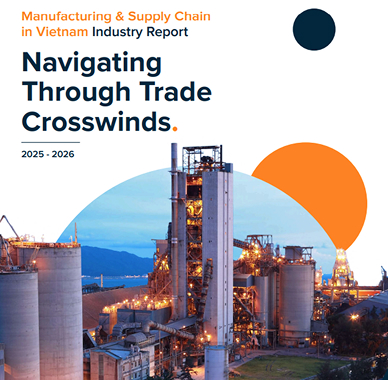
BW is proud to have supported Vietnam’s Next Manufacturing Frontier (2026), released by Acclime Vietnam, alongside fellow contributors Avison Young Vietnam and FVSource. The report takes a close look at the sectors and forces shaping the next chapter of Vietnam’s manufacturing growth – from electronics and semiconductors to furniture, textiles and industrial machinery – and examines the industrial real estate, power, labour and logistics foundations that will determine how far that growth can go.
Why Vietnam?
For Lance Li, CEO of BW , Vietnam’s story is no longer just about cost.

“We see Vietnam gradually moving up the global value chain, evolving from an alternative production base into a strategic manufacturing hub in Asia,” Li said. “Manufacturers today are looking beyond labour costs. They increasingly value speed, reliability, supply chain resilience and long-term operating certainty. Vietnam is responding in kind: not only by upgrading its transport infrastructure, but also by building out industrial ecosystems, strengthening power reliability and developing institutional-grade industrial facilities.”
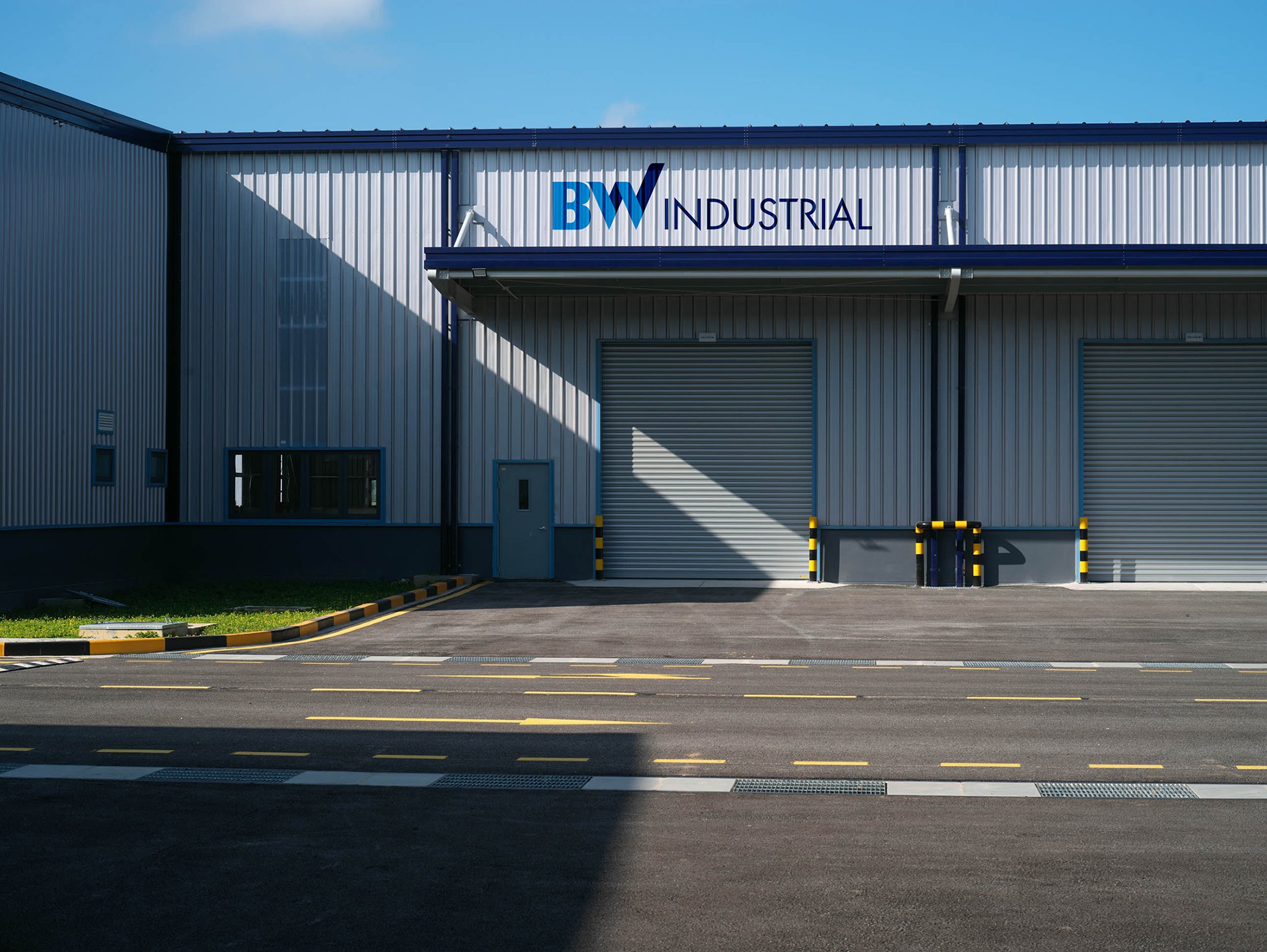
That shift is already visible in BW’s own portfolio. High-value-added industries now account for nearly half of the company’s total ready-built factory (RBF) leased area, with electronics standing out as the single largest tenant group. BW continues to see strong and steady leasing demand from global manufacturers expanding into Vietnam or diversifying their operations into the country.
The next industrial frontier
Looking ahead, Li points to a structural change on the horizon: the rise of some major industrial mega-region that could redraw the map of Vietnamese manufacturing.
“Vietnam is poised to see the emergence of some major industrial mega-region that could reshape the country’s manufacturing landscape,” Li explained. “For global manufacturers, the biggest opportunity lies in gaining access to a broader range of competitive manufacturing locations as infrastructure are in development. Areas once considered too remote from major economic centres are becoming viable alternatives — offering better accessibility, more competitive land costs and ample room for expansion.”
But new infrastructure alone won’t guarantee success. “What manufacturers should watch most closely is the pace at which these new industrial ecosystems mature,” Li said. “Infrastructure provides the foundation, but long-term competitiveness will depend on reliable power, a strong supplier network, workforce availability and the government’s ability to deliver major infrastructure projects on schedule. These factors will ultimately determine which locations can support next-generation advanced manufacturing and evolve into globally competitive manufacturing hubs.”
Greenfield, brownfield or ready-built: choosing the right path
For manufacturers weighing how to enter Vietnam, the decision often comes down to speed, control and capital. Tu Luong, Head of Investment at BW, breaks down the trade-offs between the three main routes to market.

“While greenfield offers more control – over design in one case, over existing infrastructure in the other – it comes with long-term land commitments, typically 30 to 40 years, long development timelines of 12 to 36 months, high upfront capital, complex permitting, and ESG compliance hurdles,” Luong said. “Similar to greenfield, brownfield carries the technical risk and hidden retrofit costs of inheriting someone else’s building.”
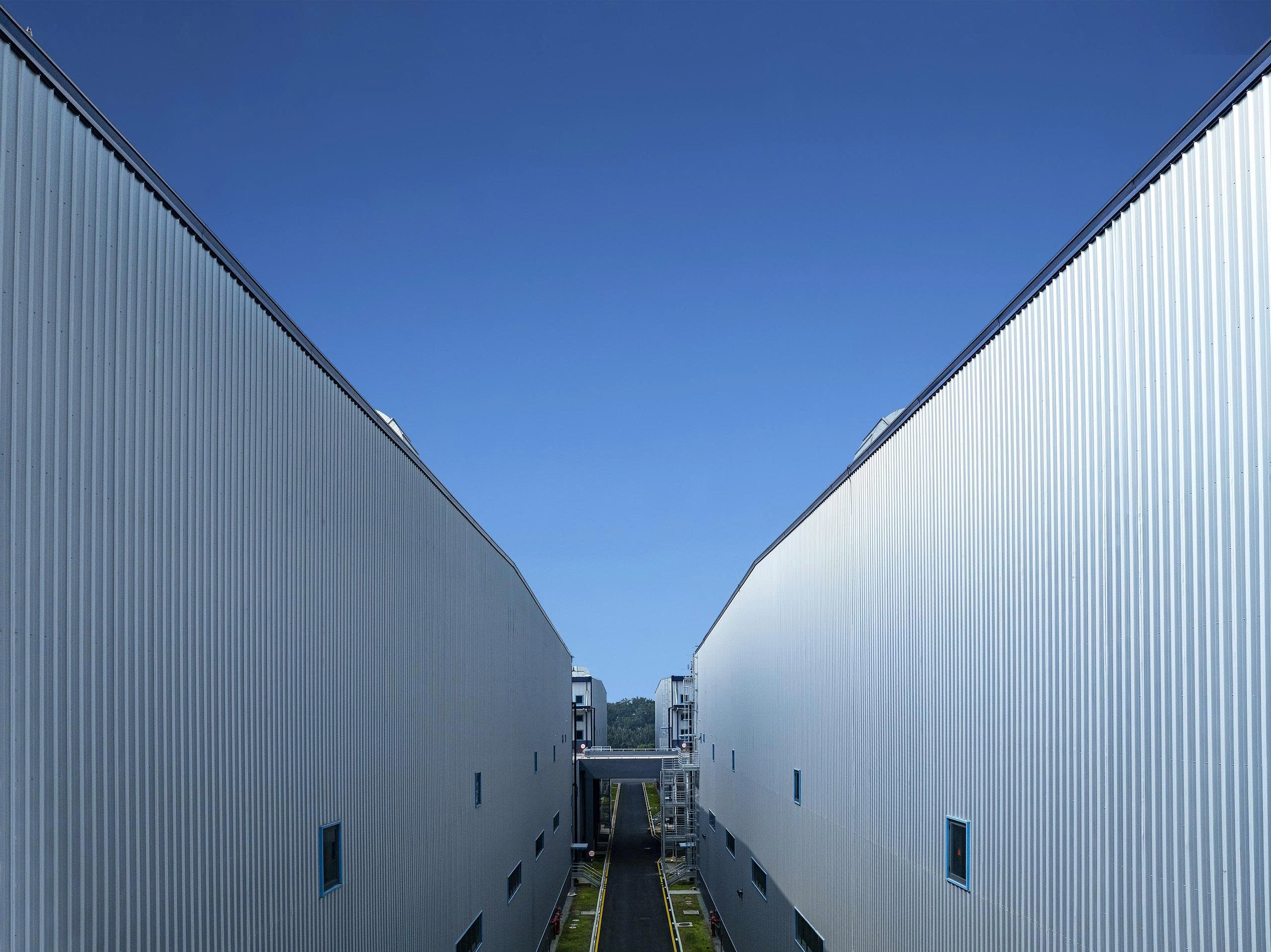
Ready-built facilities, Luong noted, address the two constraints manufacturers feel first when entering a new market: time and capital. “Ready-built has gained ground against both by removing the two constraints manufacturers feel first: time and capital,” she said. “RBF facilities can be operational in as little as 3 to 7 months, at rents around US$5 per sqm per month, with flexible lease terms and end-to-end support from the developer, so tenants can focus on production rather than the complex and time-consuming process of acquiring land and/or asset and obtaining licenses, and construction work.”
Building Vietnam’s next phase of growth, together
Vietnam’s Next Manufacturing Frontier (2026) also explores Vietnam’s position in a shifting global trade landscape, FDI trends and investor confidence, regulatory reforms affecting market entry, key manufacturing and export sectors, and the infrastructure and resources underpinning industrial growth.
As Vietnam moves from being a low-cost alternative to a strategic manufacturing hub in its own right, BW remains committed to building the institutional-grade industrial and logistics infrastructure that will support this next phase – helping global manufacturers move faster, scale smarter and operate with confidence across Vietnam.